3 Michelin-Level Egg Dishes From 10-Minute Comfort Food to Luxury Egg Toast
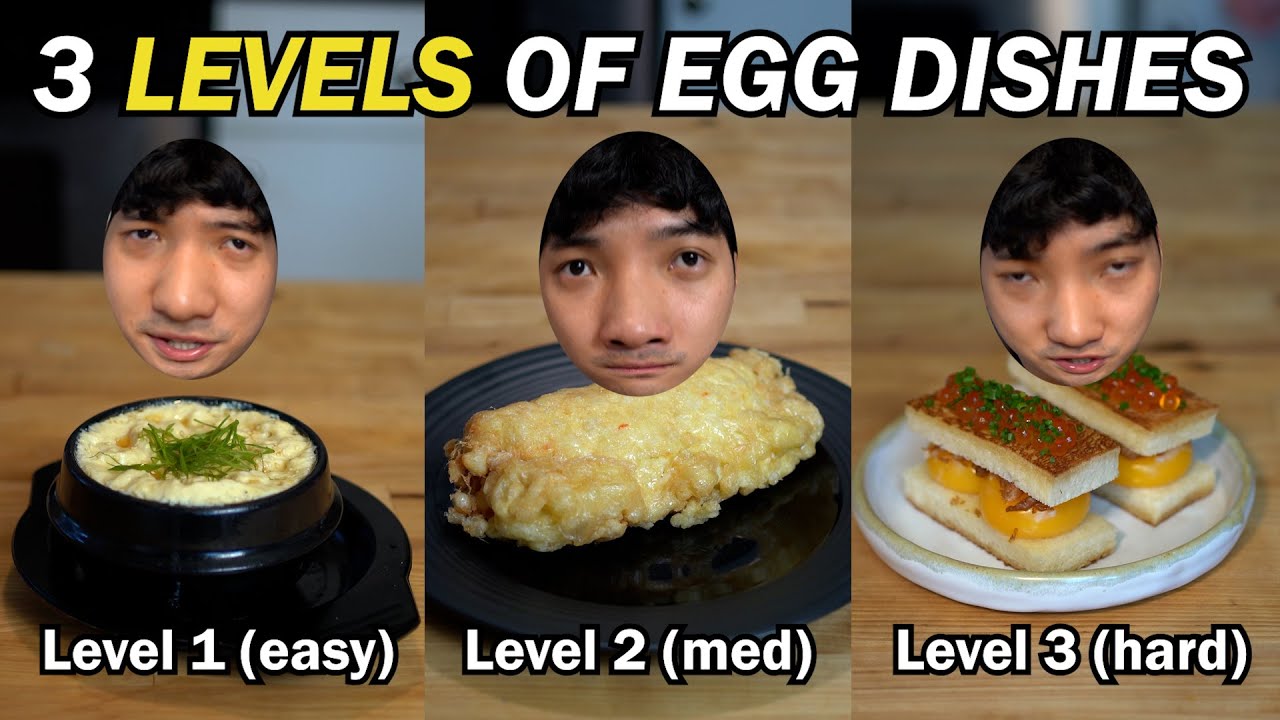
The humble egg is arguably the most versatile ingredient of all time. It acts as a key binder in complex pastries and silky sauces, but it is also substantial enough to stand entirely on its own. It is no surprise that nearly every culinary culture on Earth has a plethora of egg-centric comfort foods.
Popular home cook Patty Plates is breaking down three distinct levels of egg mastery. Whether you want a warm, effortless weekday hug in a bowl or a high-precision, fine-dining-style showstopper, here is how to make the humble egg the absolute star of the show.
Level 1: 10-Minute Korean Steamed Eggs (Gyeran-jjim)
If you are coming home after a grueling day at work and want something simple, fast, and comforting, this ultra-fluffy, jiggly dish feels like a warm hug.
The Authentic Vessel: To make this the traditional way, you will want a ttukbaegi (a Korean earthenware stone pot), though any clay or stone pot will do.
The Base: Whisk 4 eggs in a bowl along with a half-cup of savory dashima (kelp) stock, 1 tablespoon of fish sauce, 1 teaspoon of sesame oil, a pinch of white pepper, and a light dusting of MSG.
The Technique: Pour the mixture into your stone pot over medium-high heat. As the eggs cook against the hot bottom, constantly scrape them up with a spoon to form large, soft curds.
The Steam Lift: Once a significant amount of curds form and only a bit of running egg remains, place an inverted bowl over the top of the pot to create a tight seal. Drop the heat to low, steam for 2 minutes, then turn off the flame and let it trap heat for another 2 to 3 minutes.
The Finish: Remove the bowl to reveal high-rising, fluffy eggs. Garnish with a final splash of sesame oil, toasted sesame seeds, and chopped scallions.
Level 2: The Legendary Bangkok Crab Omelette
Inspired by the world-famous street food icon Jay Fai in Bangkok, Thailand, this dish turns just three basic ingredients into a masterclass of pure technical execution. It features meaty, juicy chunks of sweet crab enveloped inside a crisp, golden log of fried egg.
The Binding Secret: Create a thick cornstarch slurry using nearly equal parts cornstarch and water, then whisk it directly into 2 raw eggs to help the exterior structural integrity.
The Coating: Take a can or two of drained, premium jumbo lump crab meat and lightly toss it in just enough of the beaten egg mixture to coat each individual piece.
The Fry Shape: Heat a wok filled with frying oil to 375°F. Pour the egg-coated crab directly into the hot oil. Using two spatulas simultaneously, deftly shape the cooking egg around the crab into a uniform log shape. Use any remaining beaten egg to patch up exposed crab spots as you rotate.
The Serve: Once the log is golden-brown and crispy on all sides, drain it on paper towels and immediately season with a pinch of salt. Cut it open to reveal an interior packed with hot, juicy crab.
Level 3: Elevated Egg & Salmon Roe Toast
This high-end plate is a creative riff on the iconic egg toast famously created by multi-Michelin-starred chef Jean-Georges Vongerichten. While the original calls for sous-vide eggs, brioche, and caviar, this version introduces complex textures and layers designed to maximize flavor without an elite tax bracket budget.
1. Bake the Fluffy Japanese Milk Bread
To keep the dish light, airy, and bouncy, a homemade loaf of milk bread replaces traditional heavy brioche.
The Tangzhong Starter: Over medium heat, whisk 100 g of cold water with 20 g of bread flour until it thickens into a glossy, goopy paste. Let it cool completely—this paste locks in moisture and creates that signature bounciness.
The Main Dough: In a stand mixer fitted with a dough hook, combine 330 g of bread flour, 24 g of sugar, 14 g of milk powder, 7 g of salt, and 4 g of instant yeast. Mix on low for a minute, then add 95 g of lukewarm water, 1 whole egg, and your cooled Tangzhong paste. Mix on medium for 5 minutes.
The Butter Finish: Gradually feed in 20 g of room-temperature butter, piece by piece, while mixing on medium for another 10 minutes until smooth and supple. Shape into a ball and proof in an oiled bowl for 1 hour until doubled.
The Shape & Bake: Punch the dough down, divide it into two balls, and let them rest for 20 minutes. Roll each ball out into a flat ellipse, fold it into thirds vertically, rotate 90 degrees, flatten again, and roll it tightly from the bottom up. Pinch the seams shut, place them seam-side down in a greased loaf pan, and proof for 45 minutes until 2 cm from the rim. Bake at 350°F for 30 to 40 minutes until golden brown, then cool for an hour.
2. Prepare the Hickory-Smoked Egg Yolks
Cook your whole eggs in a 150°F water bath for exactly 1 hour.
Transfer them straight into an ice bath, peel carefully, and gently brush away the set whites to reveal perfectly intact, jammy yolks.
Place the yolks in a covered container and use a kitchen smoking gun packed with hickory wood chips to smoke them for 20 minutes. Repeat this cycle at least twice to build a profound smoky profile.
3. Fry the Crispy Egg Floss
Whisk a raw egg with 1 teaspoon of cornstarch and a pinch of savory dashi powder.
Pour the liquid into a squeeze bottle and drizzle it in thin streams over a pot of oil heated to 350°F.
Once it turns golden-brown and crispy, skim it out and drain on paper towels.
4. The Grand Assembly
Slice your fresh milk bread into clean, geometric rectangles, coat them generously in butter, and toast until perfectly golden-brown on one side. Top the warm toast with your rich, smoky jammy egg yolks and the crispy egg floss. Finish with a generous spoonful of ikura (salmon roe). When the salty pop of the roe unleashes its juices, it cuts beautifully through the rich, heavy fattiness of the smoked yolk for an absolute explosion of flavor.
Fine-dining dishes are really just a series of very simple steps done with patience and a high attention to detail. Which level of egg mastery are you attempting in your kitchen?