Why the Classic French Omelette Is the Ultimate Kitchen Stress Test
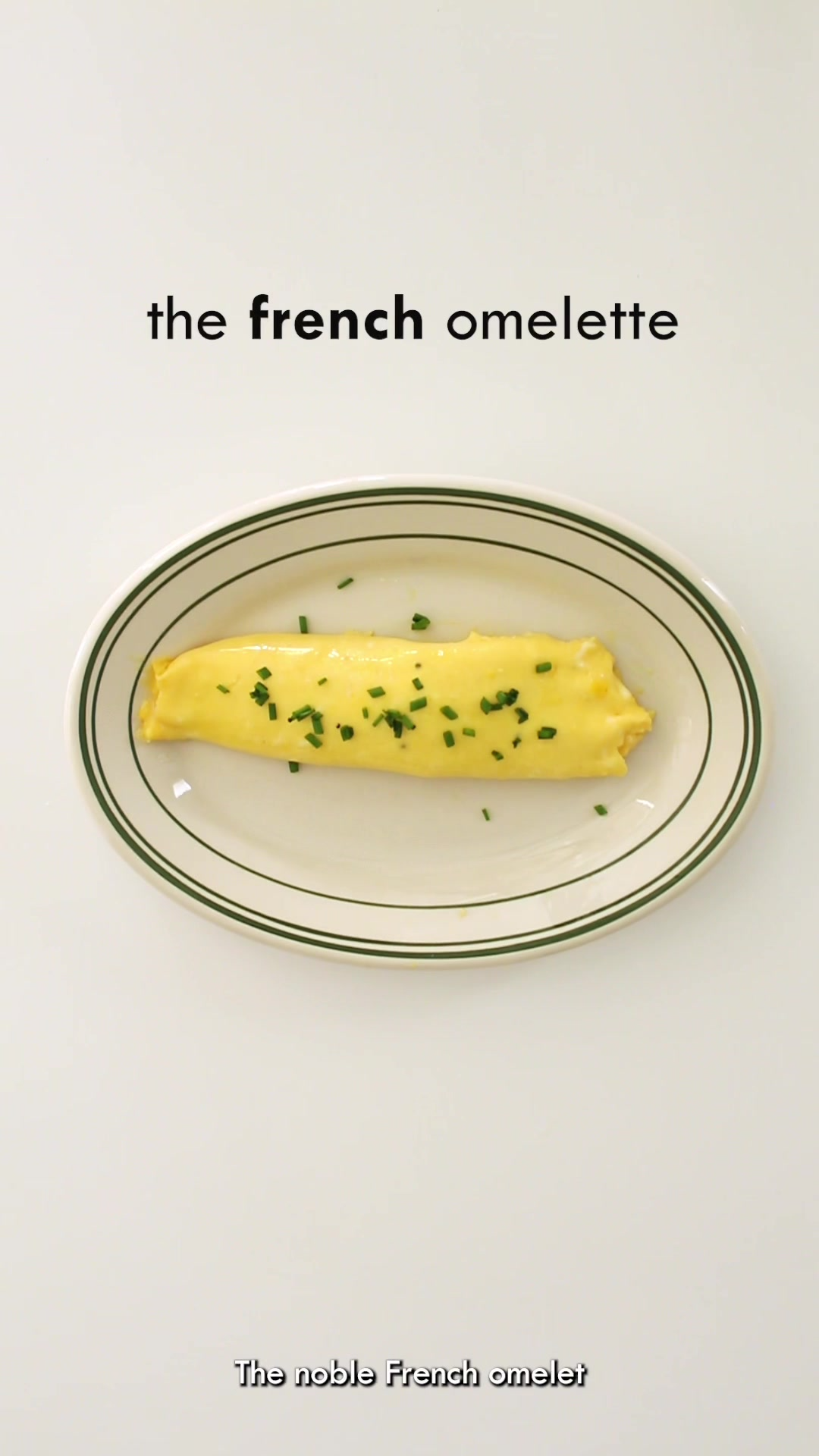
The internet loves to make breakfast look effortless. Smooth transitions, perfectly flipped pancakes, and pristine plates dominate the feed. But some techniques refuse to be rushed or faked. I took on the classic French omelette this week because it is the ultimate test of temperature control, coagulation mechanics, and pure pan finesse. It is not an easy win. It is a calculated struggle where a single second can turn a smooth, silky masterpiece into a rubbery plate of ordinary scrambled eggs.
This dish relies entirely on a delicate curd formation. By maintaining low, consistent heat and introducing cold fat at precise intervals, you can control the protein bonds before they tighten and brown. It took multiple failures and some genuine culinary frustration to nail the exact folding sequence. The result? Incredible. It is a humbling formula that proves why understanding the physics of an egg matters infinitely more than just following a recipe.
The Breakdown
The Emulsion Base: Whisk three large eggs thoroughly in a container with a splash of milk, salt, and black pepper. The goal is to break down the whites entirely until you have a completely uniform liquid with zero streaks.
The First Failure: Heat a non-stick skillet over low heat and drop in cold butter. Pour the egg mixture in, stirring constantly to build a tight curd structure. If the pan temperature drops or the folding angle is off, the structural integrity collapses during the roll, leaving you with nothing but a broken scramble.
The Second Catastrophe: Clean the pan, add more butter, and try again. Work the curd systematically, moving the pan to distribute the liquid evenly. Even if you manage a solid roll, the final transition out of the pan can spell disaster if the bottom isn't perfectly set. Sliding it too fast can cause the entire casing to tear, ruining the smooth texture.
The Redemption Arc: Dust yourself off and start round three. Whisk the eggs, melt the butter, and work the pan with a rubber spatula. Keep the heat strictly controlled, letting the outer layer set into a seamless jacket while the interior remains soft and custardy.
The Perfect Fold: Gently roll the setting egg from the top handle down, tucking the lip inward to form a uniform cylinder. Use the spatula to tap the edge, sealing the seam perfectly along the side.
The Final Polish: Slide the completed omelette seam-side down onto a clean plate. Glide a small pat of cold butter across the warm surface to create a glossy, mirror-like finish, then garnish with a neat scatter of fresh chopped chives.
The Verdict
This technique is a rite of passage. The French omelette functions because the outer shell acts as an insulating barrier, trapping a rich, velvety curd inside that mimics the texture of a premium custard. It requires absolute focus—any hesitation with the spatula or a slight spike in the stove temperature will destroy the smooth surface. It is a rigid, technical sequence that punishes mistakes but rewards precision like nothing else in the morning routine.