The Layered Mechanics Behind a Flawless Biscuit Rise
The internet loves to attribute perfect baking to grandma's intuition or kitchen luck. It is not. Baking is an exact thermal and structural formula where the physical placement of fat dictates the final height and fluffiness of the crumb. I took on traditional buttermilk biscuits this week because they are a pure exercise in temperature regulation and lamination. If your fat melts before the dough hits the oven, you end up with a flat, dense disc. If you follow the physics of folding, the result is incredible.
We are building separate micro-strata of solid dairy fat and flour. As the biscuit bakes, the water content in the trapped butter rapidly converts to steam, expanding the air pockets and forcing the layers upward. This is a strict sequence that rewards restraint—the less you touch the dough, the more dramatic the final architecture will be.
The Breakdown
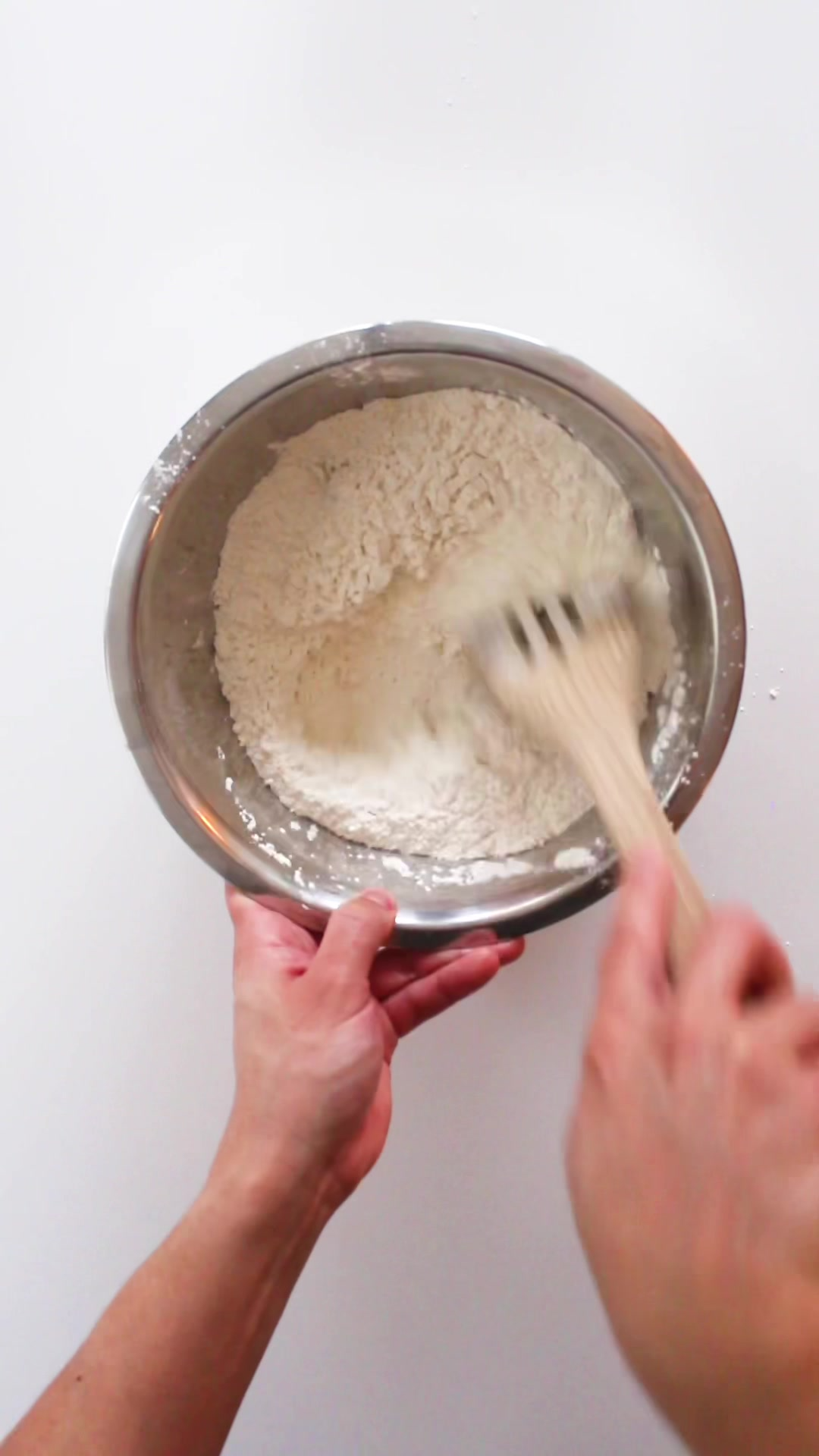
The Dry Matrix: In a large stainless steel bowl, combine all-purpose flour, a high volume of baking powder, sugar, and a precise pinch of salt. Whisk the dry compounds thoroughly to ensure a completely uniform distribution of the leavening agents.
The Lipid Integration: Introduce cold, cubed butter directly into the flour mixture. Using a pastry cutter or your fingertips, cut the fat into the dry ingredients until it resembles a coarse meal with distinct, pea-sized fragments of solid butter remaining.
The Hydration Phase: Pour chilled buttermilk directly into the center of the bowl. Stir smoothly with a wooden spatula until a loose, shaggy dough begins to coalesce. Over-mixing at this stage will overwork the gluten and yield a rubbery texture.
The Structural Fold: Invert the loose dough onto a lightly floured work surface. Press the fragments together firmly with your hands to form a unified mass, then use a rolling pin to smooth it into a uniform rectangle.
The Lamination Sequence: Using a bench scraper, fold the dough over on itself repeatedly, rolling it flat after each turn. This manual lamination creates the micro-layers of fat and flour required for a flaky, distinct shatter when split.
The Clean Cut: Roll the laminated dough to your target thickness. Use a sharp, circular biscuit cutter to stamp out your rounds. Press straight down cleanly without twisting the cutter; twisting seals the edges and prevents the steam from lifting the layers.
The Final Polish: Arrange the rounds on a baking sheet lined with parchment paper. Use the back of a spoon to brush the tops with a uniform layer of melted butter before sliding them into a high-heat oven to trigger the chemical lift.
The Verdict
This structural formula never fails. The buttermilk biscuit succeeds because the solid pockets of cold butter remain intact until the heat of the oven causes them to explode with steam, lifting the floured strata apart into flaky layers. The interior remains intensely moist and tender due to the acidity of the buttermilk breaking down the gluten chains, while the top forms a deeply bronzed, golden crust. Master the physics of cold lamination, and you will never buy a canned shortcut again.