The Structural Mechanics of a Shatter-Crisp Hong Kong French Toast
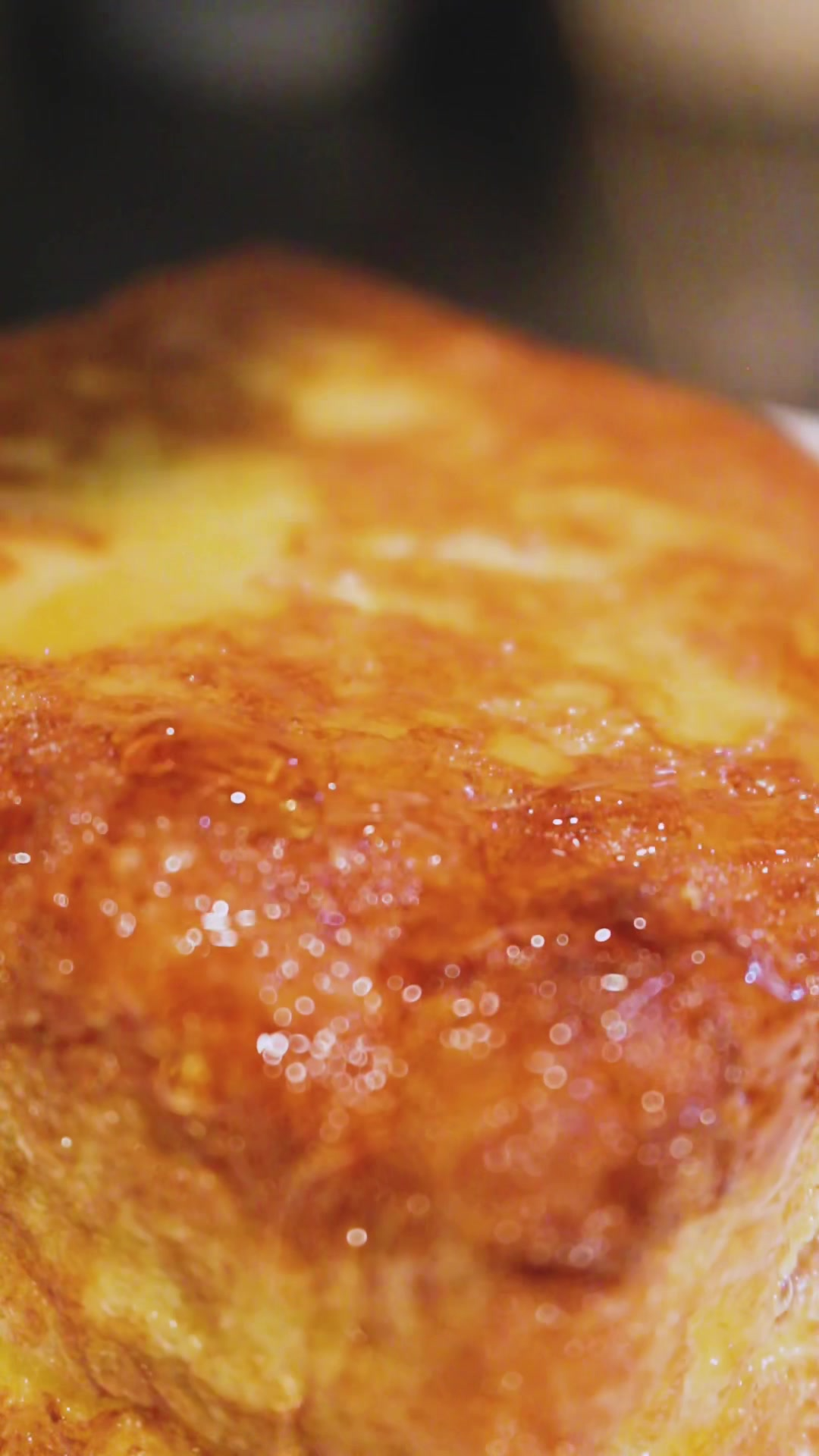
The internet loves to view French toast through a very narrow, Western lens. It is usually treated as a soft, custardy slice of brioche pan-fried gently in butter. While that has its place, it completely misses out on the structural evolution pioneered by Hong Kong cha chaan tengs (cafes). I decided to tackle Hong Kong French toast this week because it is an elite demonstration of oil physics, moisture insulation, and stacking architecture.
We are turning ordinary milk bread into a multi-layered, deep-fried vault. By utilizing a thick egg wash shield and a high-temperature shallow fry, we seal the interior fat layer while developing a glass-shattering crisp exterior. The result? Incredible. This is a highly calculated, high-reward blueprint that completely redefines the traditional sweet breakfast profile.
The Breakdown
The Multi-Layer Stack: Lay three slices of soft white milk bread flat on your prep station. Use a spatula to spread an even, structurally stable layer of creamy peanut butter across the first two slices. Stack them systematically to build a triple-tier sandwich.
The Perimeter Trim: Take a sharp chef’s knife and slice away the crusts from all four sides of the stacked sandwich. This step creates a uniform geometric square with exposed, porous edges capable of absorbing the egg wash evenly.
The Casing Emulsion: Crack three large eggs into a stainless steel bowl. Whisk them aggressively until completely homogenous with zero remaining protein streaks, creating a fluid jacket for the bread.
The Insulation Submersion: Drop the triple-layer sandwich directly into the egg wash. Rotate the bread carefully to coat every single millimetre of surface area—including the freshly trimmed edges—to ensure the oil cannot penetrate directly into the bread during the fry.
The Shallow Fry: Pour a generous measure of neutral frying oil into a skillet over medium-high heat. Carefully slide the coated sandwich into the hot lipid pool.
The Rotational Crisp: Fry the sandwich systematically, turning it to seal the base and top before rotating it vertically onto each side with tongs. Cook until the egg casing puffs slightly and turns a uniform, deep golden brown. Transfer to a wire rack to drain.
The Topping Formula: Plate the hot toast immediately. Drizzle a generous, glossy layer of honey or sweetened condensed milk across the top, then place a single cold pat of butter in the center to melt down from the residual heat.
The Verdict
This technique is an absolute triumph of texture and temperature play. The Hong Kong French toast succeeds because the quick, high-heat fry instantly solidifies the exterior egg wash into a crisp, protective shell, preventing the interior milk bread from becoming an oil-logged sponge. The heat trapped inside cleanly softens the peanut butter into a rich, molten state that pairs perfectly with the exterior crunch and the cold butter on top. Skip the basic skillet methods and try this high-utility blueprint instead.