Why Your Homemade Curries Lack Depth
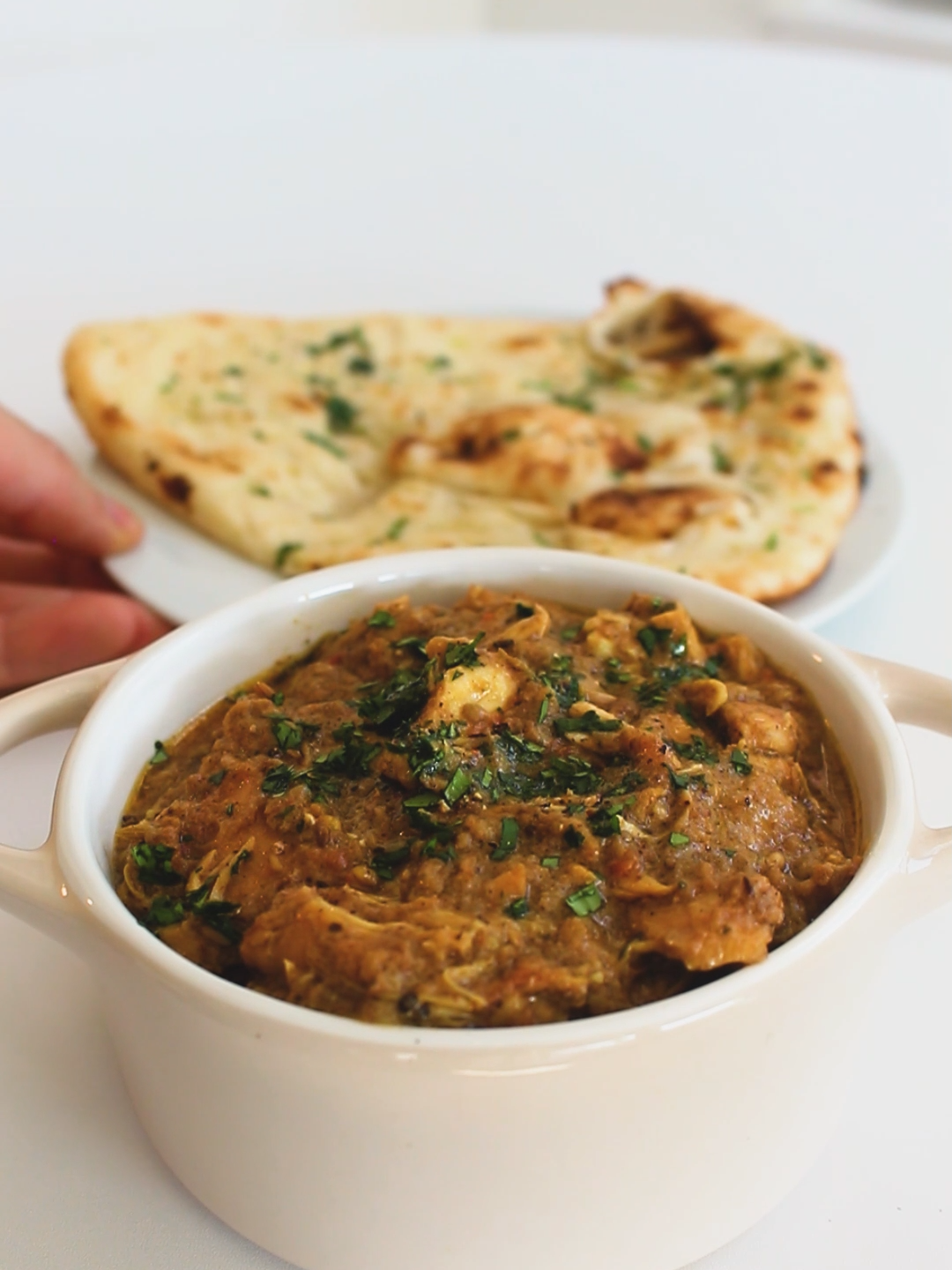
Most home cooks approach curry with a single, flawed method. They buy a generic pre-ground spice blend, throw it into some coconut milk, and wonder why the result tastes flat. The flavor is superficial. It hits the tongue and vanishes because it lacks a foundational anchor.
To fix this, you have to look at how flavor compounds develop. Spices are fat-soluble. Dumping raw powder into liquid does not activate the volatile oils inside them. If you want a curry with actual structural integrity, you need to toast, grind, and build your base sequentially.
The result? Unparalleled complexity. A deep, savory base that links perfectly with the natural sweetness of coconut.
The Architecture of a Kerala-Style Paste
The foundation of a proper Kerala-style chicken curry relies on a highly precise, freshly ground paste. I do not shortcut this step.
I start by building a dry-toast mixture directly in a hot pan. Green cardamom pods, black peppercorns, fennel seeds, and a generous handful of desiccated coconut form the dry base. I introduce fresh curry leaves, which add a distinct, herbal aroma. Then come the ground variables: sharp chili powder and earthy turmeric.
Step 1: Dry Toast (Aromatics + Coconut + Seeds)
Step 2: Thermal Activation (Release of Volatile Oils)
Step 3: Mechanical Grind (Mortar and Pestle Reduction)
The key here is observation. You have to toast the mixture until the coconut shifts to a deep, uniform tan. This browning triggers the Maillard reaction, turning simple ingredients into a complex flavor matrix. Once the mix is deeply fragrant, I transfer it to a marble mortar and pestle. I crush it manually until it forms a fine, concentrated spice paste. This mechanical reduction is superior to a machine blend because it bruises the spices, forcing out every ounce of oil.
Layering the Variables for Maximum Yield
With the spice base secured, the actual assembly begins. I heat oil in the pot and drop in finely sliced shallots. Shallots are critical here. They contain a higher concentration of sugar and less water than standard yellow onions, allowing them to caramelize cleanly.
Once the shallots turn golden and translucent, I introduce a dense, freshly pounded ginger-garlic paste. This provides a sharp, pungent kick that cuts through the upcoming fat. Next, I drop in diced tomatoes, stirring until they break down entirely and fuse with the aromatics.
I add the handmade spice paste back into the vessel, followed by a steady pour of rich coconut milk. As the liquid heats, the oil separates and rises to the surface, signaling that the sauce has successfully emulsified. Finally, I drop in uniform pieces of boneless, skinless chicken thighs. Thigh meat is non-negotiable here. Breast meat dries out too quickly, whereas thighs contain enough fat and connective tissue to withstand a long simmer, soaking up the curry liquid without losing their structure.
I let the mixture simmer until it reduces into a thick, mahogany gravy. I finish it with a sprinkle of fresh cilantro and serve it alongside hot, charred garlic naan. The bread acts as the perfect structural tool to scoop up the dense, rich sauce. It is a highly methodical process, but the yield is a curry with undeniable depth.