The Thermodynamics of Crust Why Your Home Oven Is Ruining Your Pizza
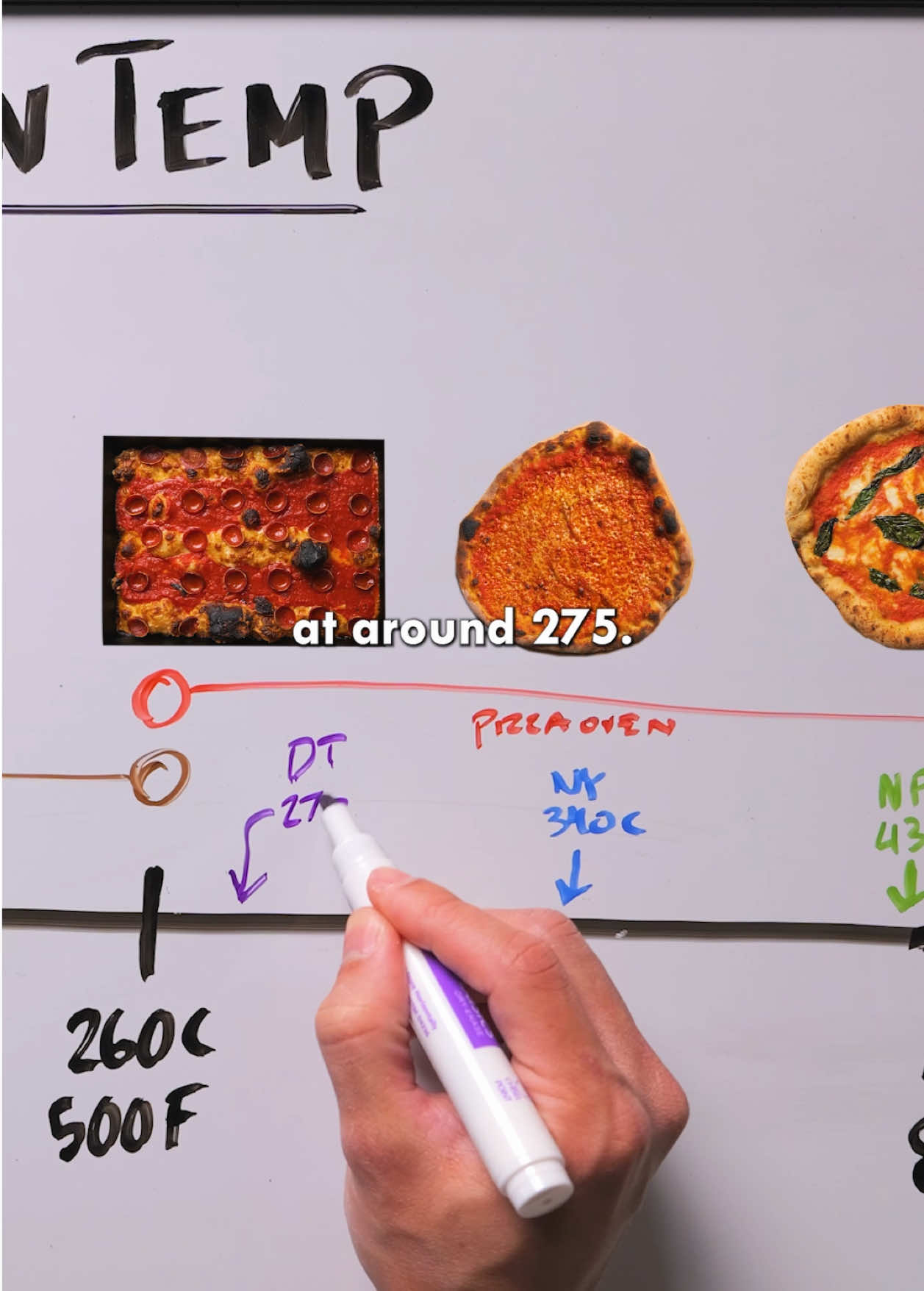
I used to wonder why my homemade pizza always tasted like slightly elevated flatbread. It was edible, sure. But it lacked that airy, smoky soul you get from a proper pizzeria.
I decided to map out the thermal dynamics of a home kitchen to find out exactly where the system breaks down.
The problem? It is a simple matter of physics.
Your standard kitchen oven tops out at about 260°C (500°F). Meanwhile, a dedicated pizza oven operates in a completely different stratosphere, easily breaching 450°C (850°F) and beyond.
When you look at the thermal variables required for different pizza styles, the math immediately works against you.
The Temperature Thresholds
Different pizza styles require different thermal environments to reach structural perfection.
Pizza StyleRequired TemperatureDetroit Style275°C (525°F)New York Style340°C (645°F)Neapolitan Style430°C (800°F)
At 260°C, your home oven can barely scrape the bottom requirements for a Detroit style pie. If you try to force a New York or Neapolitan style dough into that environment, the cooking process slows down. A slow bake dries out the interior dough before the exterior can properly develop.
The Science of Air Pockets and "Leopard Spotting"
So, what exactly happens to a dough matrix when it crosses that 260°C threshold? It comes down to steam and structural expansion.
High heat triggers rapid dough expansion. The faster the heat penetrates the dough, the quicker the moisture inside converts to steam, inflating massive, delicate air pockets within the crust. This is the secret to a crust that is shattering into a crisp shell on the outside, while remaining pillowy soft on the inside.
The Flavor Formula: Maillard Reaction + Smoky Char Aroma = Quintessential Pizza Flavor.
Once your oven environment hits 425°C and above, you unlock a phenomenon known as leopard spotting. This is where the micro-bubbles on the surface of the dough char instantly. This intense Maillard reaction combines with the smoky aroma of the char to create that deep, complex flavor profile that defines elite pizza. You cannot fake this with a longer bake time at a lower temperature; you simply end up with a cracker.
Overcoming the Home Constraints
For a long time, the only way to bridge this thermal gap was to invest in a massive, wood-fired outdoor oven. But tech has caught up.
Indoor electric units like the Ooni Volt 2 can now scale from 20°C all the way up to 450°C right on your countertop. As a self-admitted novice pizza maker with a history of mediocre home oven results, I used this unit to test the limits of what is possible indoors.
I ran three distinct styles—Neapolitan, New York, and Detroit—through the matrix. The difference in air pocket development and blistering was night and day.
If your home pizza feels dense and uninspired, stop tweaking your yeast or buying expensive flour. Fix your temperature variable first.