Demystifying Omurice The Hybrid Method for the World’s “Hardest” Omelette
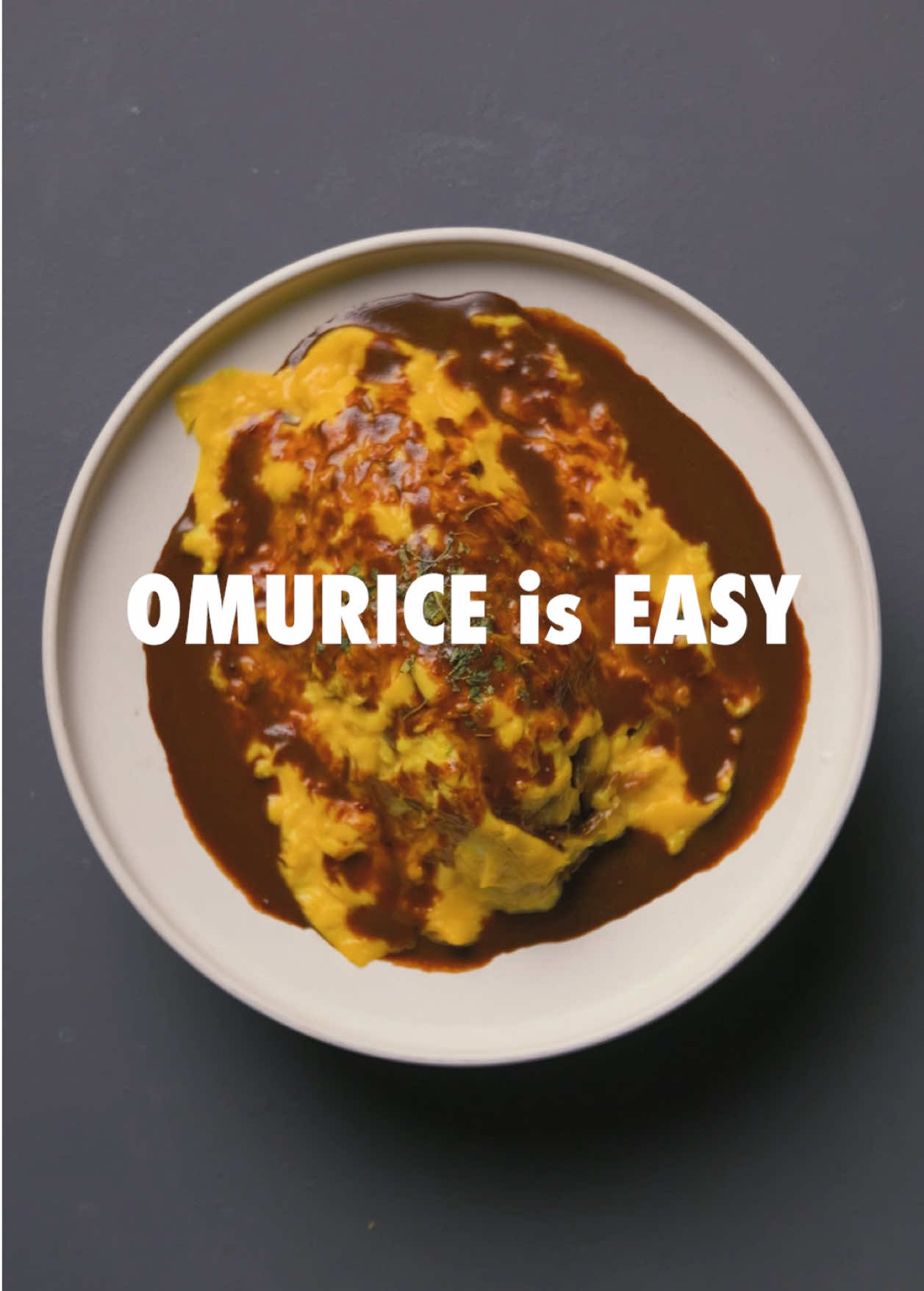
The internet loves to build a mythos around the Japanese omurice omelette. Social media editors call it the hardest egg dish in the world. Content creators film their 40th failed attempt like it is a badge of honor.
I don't buy into the theatrics.
Is it a technical challenge? Yes. But it is not magic. It is just a strict combination of temperature control, agitation, and structural geometry. After analyzing the failure points of traditional methods, I engineered a hybrid approach that strips away the unnecessary wrist-tapping choreography.
The result? Marginally better than your first try, and significantly more reliable.
The Surface Logic
The ultimate goal of an omurice omelette is a flawless, uniform yellow sheen on the outside with a barely set, custardy interior. If you see brown spots or raw egg whites, the formula broke.
To achieve this texture, you must eliminate structural variances before the egg ever hits the pan.
The Agitation Phase: Whisk three eggs thoroughly until no distinct streaks of white or yolk remain.
The Filtration Variable: Pass the whisked liquid through a fine-mesh strainer. This step removes the chalazae and any unblended strands, ensuring a completely uniform liquid matrix.
[Whisked Eggs] ---> [Fine Strainer] ---> [Homogeneous Liquid]
The Chopstick to Spatula Pivot
Traditional chefs use carbon steel pans and a rapid wrist-tapping technique to roll the egg over itself. For an amateur, this method is a direct line to heartbreak. The egg overcooks while you struggle with the rhythm.
Instead, use a small non-stick pan and a hybrid tool strategy.
The Operational Blueprint
1. The Curd Dynamic
Heat your non-stick pan over medium-ish heat with a neutral oil. Drop your chopsticks in; if they bubble gently, the heat variable is correct. Pour in the eggs and immediately scramble with your chopsticks, shaking the pan to build a tight network of tiny, soft curds.
2. The Gravity Assist
Once the eggs are semi-firm but still distinctly liquid on top, ditch the chopsticks. Switch to a flexible rubber spatula. Tilt the pan forward, using gravity to slide the egg mass toward the far lip of the pan. Use your spatula to fold the trailing edge over the top, creating a clean seam where the edges meet.
3. The Controlled Roll
Ignore the classic wrist-tap. Keep the pan tilted and use the spatula to slowly, intentionally roll the omelette over until the seam faces upward. Flip it once more to seal that seam against the heat of the pan.
The Final Assessment
Once the seam is stabilized, reverse your pan grip, hold it over your plate of ketchup-fried rice, and gently guide the omelette down.
When you slice it through the center with a knife, the top layer should peel back like a book, revealing a creamy, slow-flowing interior. It takes practice, and you might still overcook your first few attempts. But by controlling the tools and removing the theatrical tapping, you turn a viral stunt into a repeatable kitchen technique.