Why Does Restaurant Butter Taste Different The Secret Science of Liquid Gold
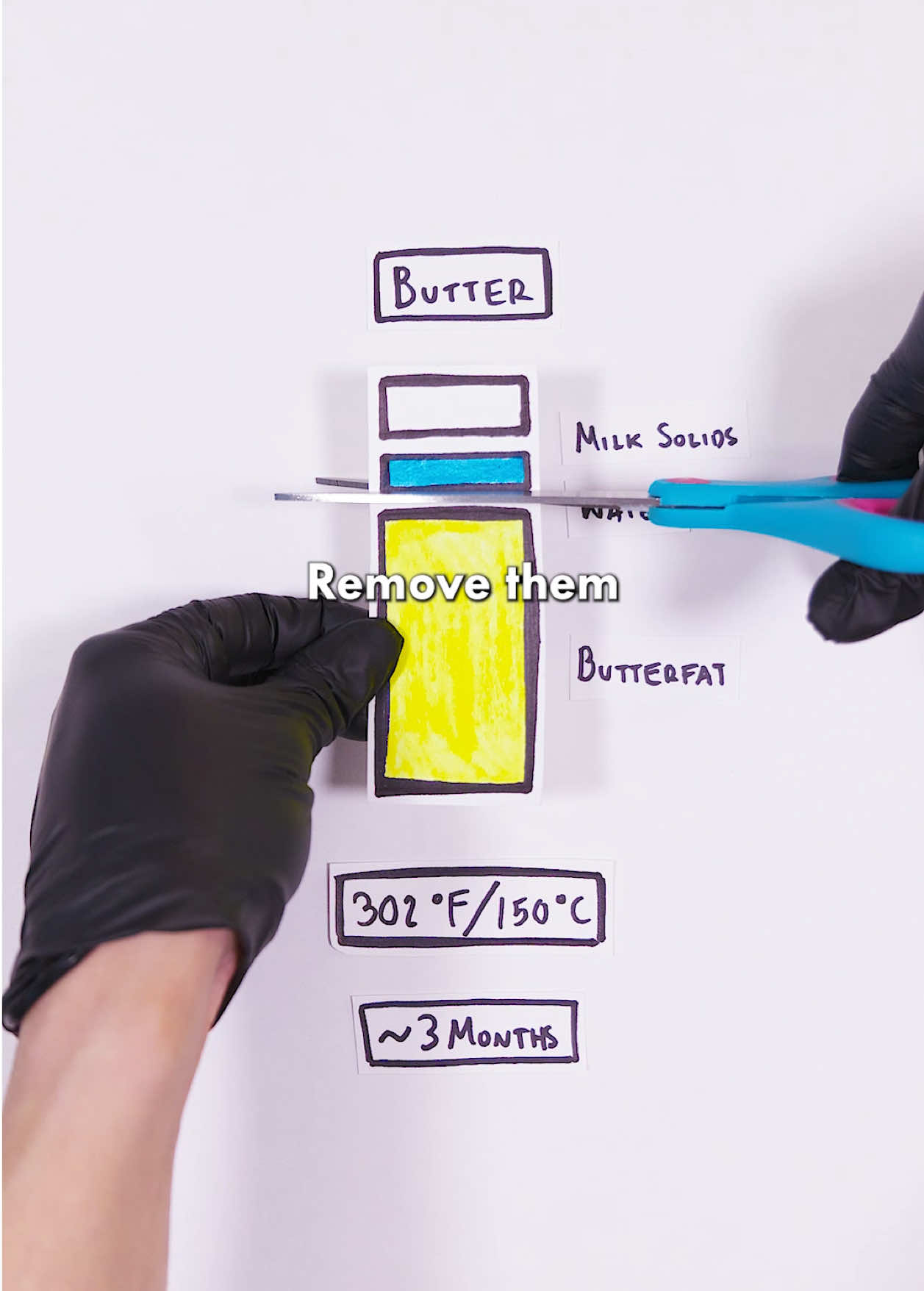
The butter restaurants use isn't the same as yours. It has to do with molecular composition and thermal limits. Regular grocery store butter has boundaries. Those boundaries are milk solids and water. They lower the smoke point to 302°F or 150°C and dramatically shorten shelf life. Sure, they provide that familiar, creamy texture. But they also cause your pan to burn and sputter.
I wanted to change that. I took a few pounds of standard butter and stripped away the non-fat variables in my kitchen. By removing the moisture and proteins, you get clarified butter. It is 100% pure butterfat. The transformation changes everything. The smoke point jumps to a massive 482°F or 250°C, and the shelf stability expands to six full months.
The result? Incredible.
You can use it just like a high-heat cooking oil for deep frying, searing, or stir-frying without ever worrying about acrid, black flecks forming in your pan.
The Three-Phase Molecular Isolation
I broke the extraction process down into three distinct operational phases. It takes about 20 minutes from start to finish, and the physical breakdown is completely predictable.
[Phase 1: Foaming] ➔ [Phase 2: Clarifying] ➔ [Phase 3: Straining]
Phase 1: Foaming. Melt a large volume of unsalted butter over medium heat. An even layer of white foam will blanket the surface. Let it boil gently, then lower the heat.
Phase 2: Clarifying. The water evaporates as the liquid bubbles away. The milk solids separate. Some sink to the bottom, while others float to the top. Skim the floating proteins off the surface with a spoon and let the pot sit over low heat. You know the process is complete when the liquid is completely clear and golden, allowing you to see all the way through to the bottom of the pot.
Phase 3: Straining. Pour the golden liquid through a fine mesh strainer lined with a coffee filter or cheesecloth into a heatproof jar. This catches any stray milk solids, leaving you with pure fat.
The Permanent Kitchen Upgrade
Without water or milk solids, the resulting fat is essentially shelf-stable. I store mine right on the counter at room temperature next to my olive oil. It stays silky, pourable, and ready for high-heat cooking.
It tastes like a deeply concentrated, intensely nutty version of butter. The flavour profile elevates everything from a seared steak to simple fried eggs. Stop using regular butter for high-heat cooking. Isolate the fat, ditch the water, and keep a jar of pure liquid gold next to your stove.