Why Replacing Wine With Sake In Risotto Doesn't Actually Work
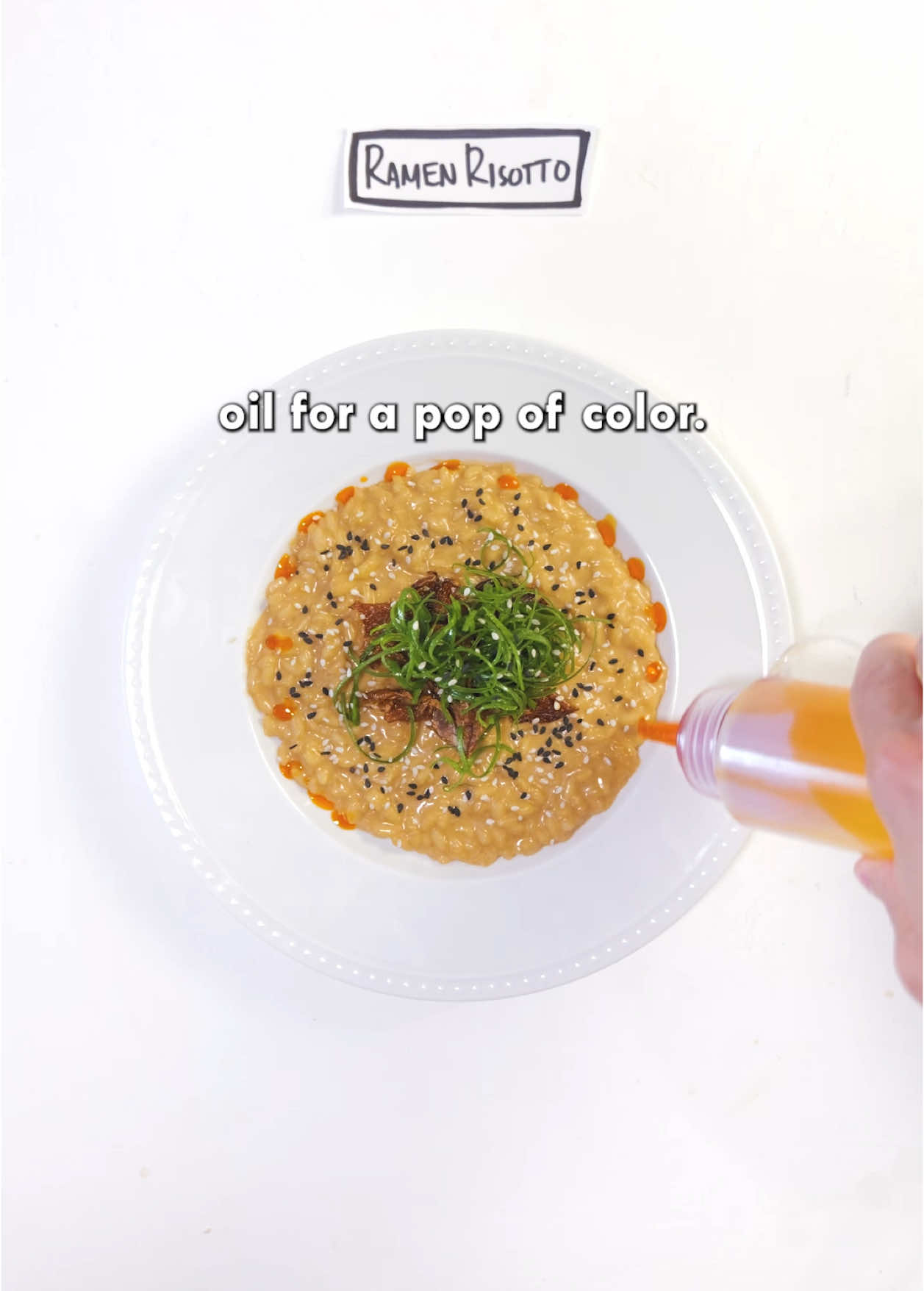
Some culinary ideas feel completely obvious on paper. They promise to change how you look at classic comfort food forever. I saw the concept of a ramen risotto trending online and felt an immediate need to break down the actual variables. The stakes were simple. Can you apply the rigorous technical framework of Northern Italy to the deep, savory flavor profile of Japanese ramen? I had to test the logic in my own kitchen.
The Theoretical Framework of the Swap
The traditional workflow of a risotto relies on a very specific sequence of chemical reactions. You sauté aromatics, toast the grains, and deglaze the pan to build a baseline of acidity. For this experiment, I modified the standard variables to see if the structure would hold. I swapped the white wine for sake. I introduced fresh ginger alongside the classic shallots and garlic to shift the aromatic foundation toward something entirely new.
[ Traditional Risotto ]  ->  Aromatics -> Wine Deglaze -> Chicken Stock -> Parmesan
[ Ramen Risotto Swap ]   ->  Ginger/Garlic -> Sake Deglaze -> Ramen Broth -> Sesame/Chili Oil
The execution requires mechanical precision. Cut everything tiny. The aromatics must be sliced smaller than the individual grains of arborio rice to ensure a uniform texture throughout the finished dish. I heated a blend of oil and butter in a wide pan before sweating the shallots down. Next came the ginger and garlic. The kitchen immediately filled with a sharp, pungent aroma that felt completely un-Italian.
Then comes the toast. Listen closely. You want to hear the dry rice crackle against the hot fat before introducing any ambient liquids to the pan. I poured in the sake and let it reduce to a tight glaze. From there, I began the slow process of simmering, adding the warm ramen broth one ladle at a time. Continuous stirring is mandatory because it draws out the starches to create that signature velvety emulsion.
The Emulsion Phase and Plating
The final phase of any proper risotto is the mantecare. This is the crucial moment where you beat cold fat into the hot rice off the heat. I tossed in a final ladle of broth, cold butter, grated parmesan, a splash of sesame oil, and a stream of chili oil.
The appearance? Stunner.
The rice spread perfectly across the plate with a glossy, loose consistency. I garnished the top with fried mushrooms for texture, sliced green onions for freshness, and a few sesame seeds.
+--------------------------------------------+
|             Bright Green Onions            |
|       Crispy Fried Mushrooms & Sesame       |
|  Glossy Arborio Rice Cooked in Ramen Broth  |
+--------------------------------------------+
The Final Calculation
The taste? Disappointing.
It did not taste like ramen at all. The heavy profile of the dairy completely overwhelmed the subtle nuances of the pork and chicken broth, leaving the entire dish tasting confused. The experiment scores a low 6/10 on my scale. I highly recommend sticking to a traditional stock and dry white wine if you want a proper risotto. Sometimes a classic framework is better left untouched.