The Simple Physics Behind Why Hong Kong French Toast Tastes So Much Better Than Yours
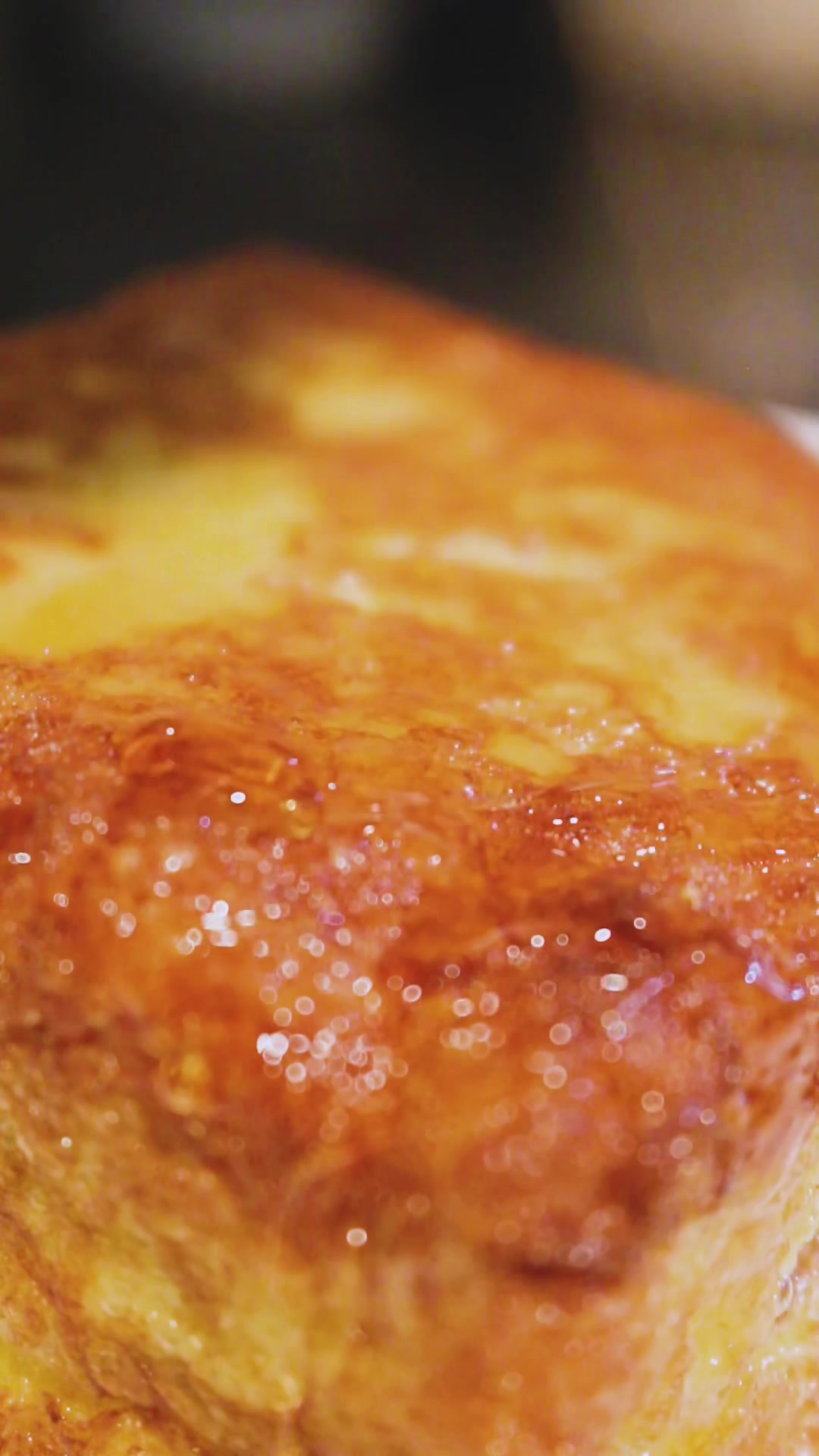
I stopped pan-frying my French toast years ago. Most traditional recipes leave you with a soggy, custard-heavy center and a soft exterior that collapses under syrup.
Hong Kong style French toast changes the variables entirely. It relies on structural stacking, shallow frying, and specific fat ratios. I set out to nail the precise mechanics of the classic cha chaan teng staple in my own kitchen.
The results? Eye-opening.
By standardizing the slice thickness and shallow-frying in hot oil, you create a golden crust that acts as a structural seal. Inside, rich peanut butter warms into a liquid core without turning the white bread into mush.
The Mechanics of the Build
Bread Selection: Use soft white sandwich bread with the crusts trimmed cleanly off.
Layer Ratio: Spread a generous layer of creamy salted peanut butter between three distinct slices of bread to create a stable two-layer stack.
Egg Coating: Whisk whole eggs thoroughly until smooth. Fully submerge the entire sandwich, making sure all sides absorb the wash evenly.
Thermal Execution: Shallow fry the sandwich in neutral oil heated to medium-high. Fry each face and gently sear all four edges to lock in the shape.
Finishing Touches: Rest on a wire rack immediately to preserve crispness. Top with a slab of unsalted butter and a drizzle of honey or condensed milk while steaming hot.
+------------------+-----------------------------------+-----------------------------------+
| Component        | Standard Western French Toast     | Hong Kong Style French Toast      |
+------------------+-----------------------------------+-----------------------------------+
| Cooking Technique| Pan-seared with minimal butter    | Shallow-fried in neutral oil      |
| Structural Core  | Single slice saturated in custard | 3-tier sandwich with peanut butter|
| Exterior Texture | Soft, chewy, custard-like         | Golden, crisp, reinforced edges   |
+------------------+-----------------------------------+-----------------------------------+
Mastering this classic comes down to controlling moisture and oil temperature. Keep your heat steady so the egg exterior cooks instantly upon contact, preventing excess oil from soaking into the bread.