I Crashed My Drone Into A Glacier But Found This Secret Salt Island Instead
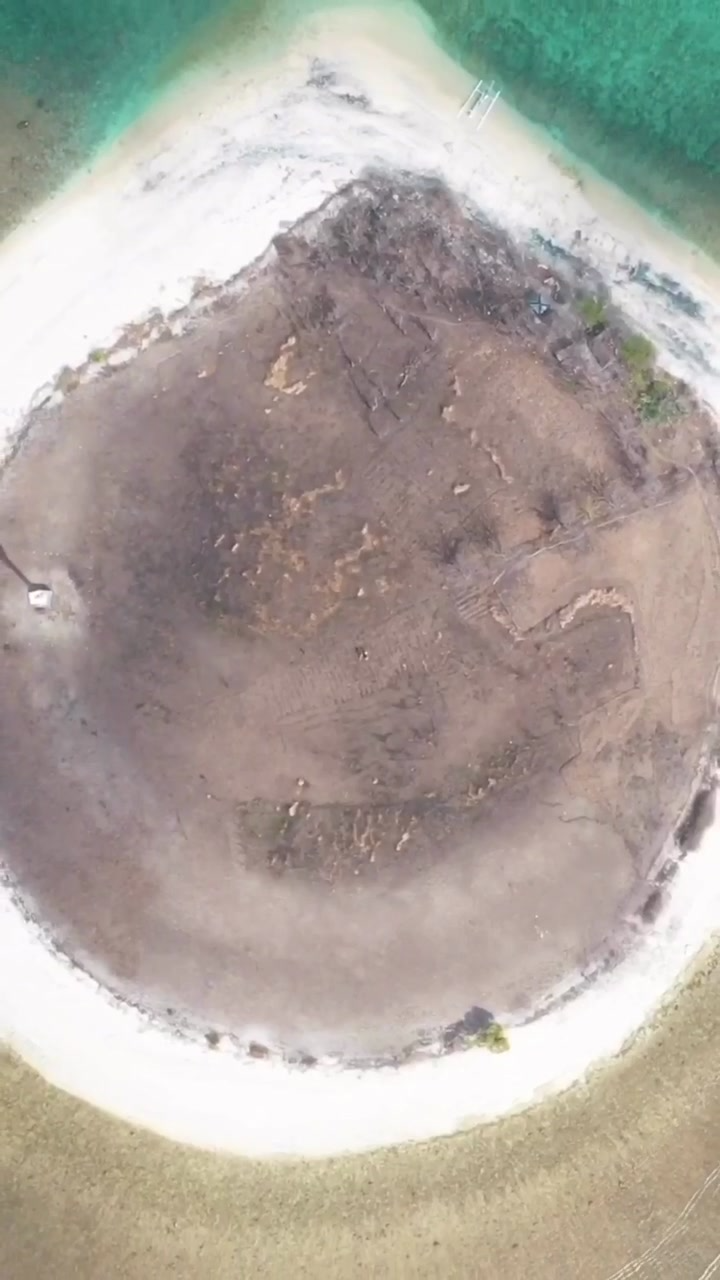
I was sailing on a tiny boat in the Caribbean when the storm hit. Total darkness for 18 hours straight. My camera gear was knocking around the cabin, and I was just trying to keep my footing while planning the next shoot. That is the reality of chasing the perfect frame. It is not always smooth sailing.
The chase takes you to places you never thought you would see, like peering over the edge of a massive ice formation. I saw my first glacier on that trip. Then, I immediately crashed my drone into it. The wind was intense, the battery dropped instantly, and boom, asset gone. That was just drone number one. Or two. Okay, honestly, it was too many to count. But that is the price you pay when you push your equipment to the absolute limit.
Hunting For The Shot
To get the best views, you have to embrace the chaotic conditions. I found myself in the middle of the Dead Sea, staring at a tiny island made entirely out of white salt. The contrast between the bright turquoise water and the harsh white salt crust was incredible. I had one shot to lock down the exposure before the sun got too high and washed out the textures.
 🎒 LOGISTICS OF THE CHASE 🎒
┌───────────────────────────┬───────────────────────────┐
│     The Mid-Air Mishaps   │     The Cinematic Finds   │
├───────────────────────────┼───────────────────────────┤
│ • High-wind glacier crashes │ • Secret salt islands     │
│ • Dead batteries over water│ • Close encounters with   │
│ • Freezing camera gear    │   Komodo dragons          │
└───────────────────────────┴───────────────────────────┘
Every environment presents a puzzle. When I was filming Komodo dragons, I had to keep my frame rate high at 120fps to catch the quick flick of their tongues in slow motion. When the sun went down, the challenge flipped. I spent freezing nights under the sky trying to capture the green glow of the northern lights. To make that happen, I wide-opened my lens aperture to f2.8 and bumped my ISO to pull every bit of light out of the dark sky.
Spotting The Map From The Air
The best adventures start with a random observation. I was staring out a plane window when I spotted a deserted ring of sand sitting alone in the ocean. I took a screenshot, pinned the coordinates, and grabbed my crew. It took us a couple of weeks to figure out the logistics, but we eventually made it to that exact island.
To document a remote location like that, you need a highly efficient gear pack.
The Drone Kit: A fast FPV drone is essential for diving down towards the sand rings at high speeds.
The Protection: Waterproof cases are non-negotiable when you are loading gear from rafts onto wet shores.
The Settings: I keep my shutter speed locked at double my frame rate to maintain natural motion blur during fast moves.
If you are staring at a map wondering if you should go, just pack the bags. The technical headaches are worth it. Check your focus, track the weather, and go find your own secret island.