Why Sailing Into St. Lucia Under Storm Clouds Broke My Camera Brain
The weather was turning fast. We were miles out. When the silhouette of the Pitons finally punched through the cloud bank, every technical plan I had went straight out the window.
Most people see the Caribbean as flat turquoise water and calm sunny days. I wanted something else. I wanted raw contrast, dramatic scale, and the kind of light you only get right before the sky opens up. We charted a sailboat straight toward the southwest coast of St. Lucia. The mission was simple. We had to capture the sheer volcanic face of Gros Piton framed against an oncoming Atlantic storm system.
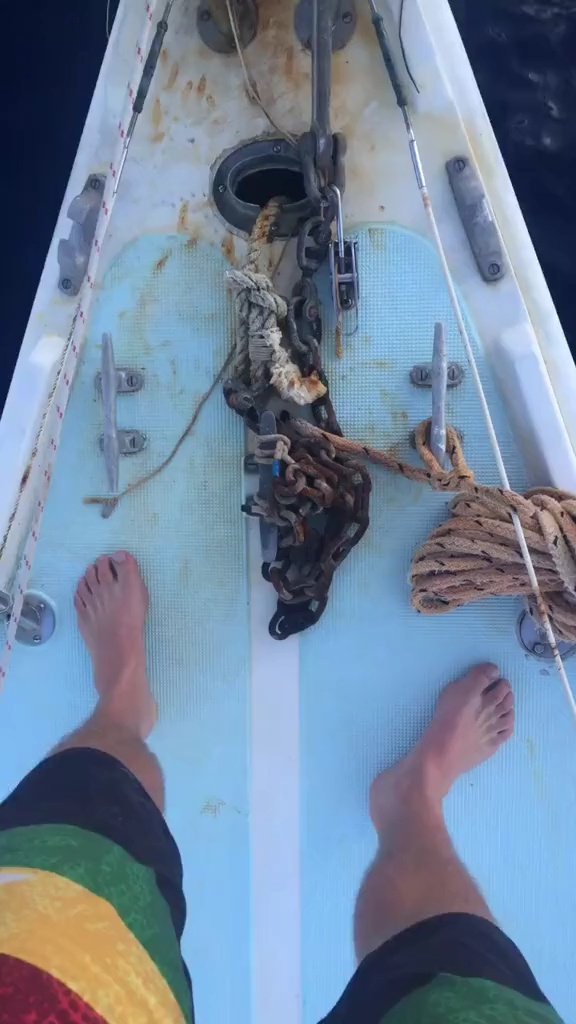
The boat was rolling hard in open chop. Standing barefoot on the bow with chains rattling and salt spray hitting the lens port, keeping the frame level was an absolute battle. One wrong slip and thousands of dollars in glass goes to the bottom of the sea.
The conditions were wild. Heavy rain squalls were dumping in the distance, backlighting the jagged ridge with pure god rays slicing through the dark clouds. The light meter was screaming. Expose for the shadow side of the volcanic rock, and you blow out the sky completely. Expose for the clouds, and the island turns into a flat black silhouette.
I locked in the settings fast. 24 frames per second. Shutters locked tight to match the frame cadence. I pulled the exposure down two full stops to protect every single detail in those backlit cloud highlights, relying entirely on the dynamic range of the sensor to lift the dark foliage in post. The contrast was unreal. The kind of frame you wait weeks on the road to find.
Adventure travel is never about comfortable conditions. If you want imagery that hits people in the chest, you have to embrace the chop, get soaked on the bow, and push straight into the weather everyone else is sailing away from.