The Burned Dessert That Completely Changed How I Think About Cheesecake
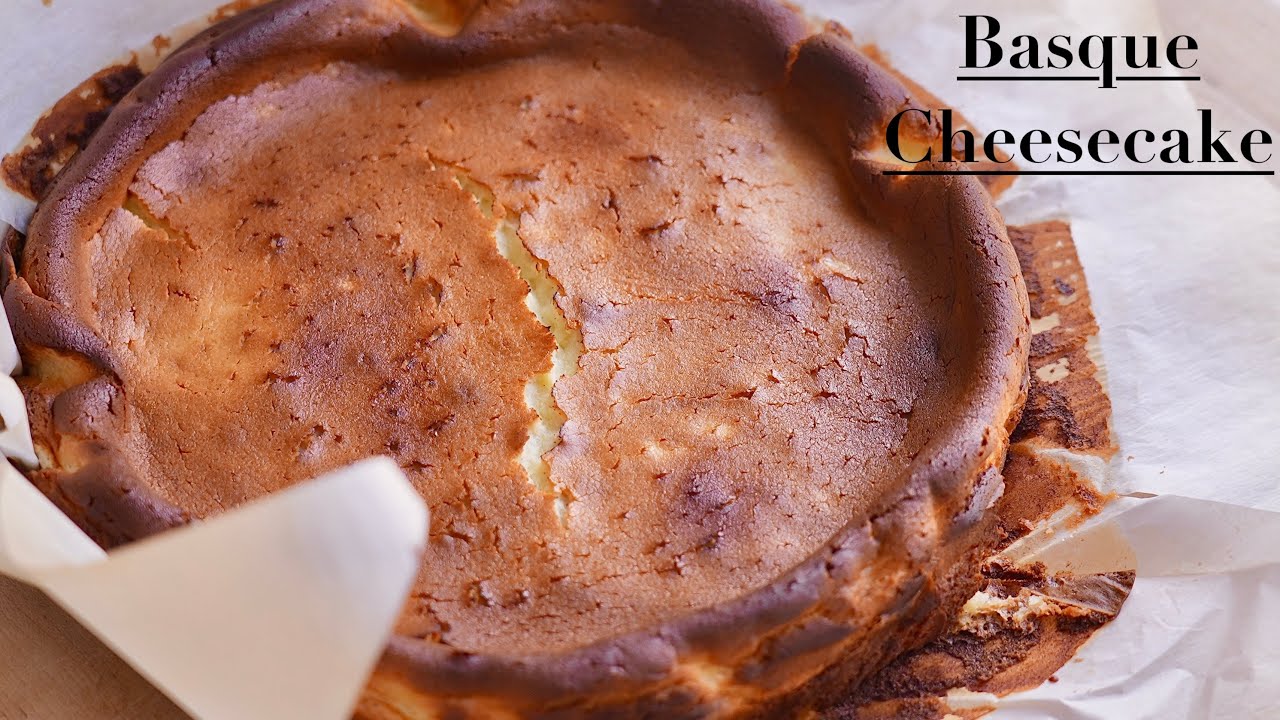
We all have an idea of what the perfect cheesecake should be. Most bakers strive for a flawless, pale white surface, careful to avoid even the slightest crack or hint of color. It is a tedious routine. I want to break that cycle. The Basque cheesecake is a dessert that purposefully defies every traditional rule of pastry arts. There are no water baths, no intricate crusts, and no fears of high heat. We are going to bake it until it is heavily darkened. This deliberate burning creates an incredible depth of flavor that a standard cheesecake simply cannot match.
The Art of the Cream Base
Everything starts with temperature. I am using four blocks of full-fat cream cheese. It must be completely soft. Cold cream cheese will leave small lumps in your batter, and we need an absolutely smooth texture for the center to set correctly. Place the softened cream cheese into the bowl of a stand mixer. Take a fresh vanilla bean pod and slice it down the middle with a sharp paring knife. Scrape out the interior seeds and add them directly to the bowl along with a cup of granulated sugar.
Fit the mixer with a wire whisk attachment. Turn it on to medium speed to incorporate the sugar and vanilla into the cheese. Stop the mixer occasionally to scrape down the sides of the bowl with a spatula to ensure an even mix. Once the base is light and holding its shape, it is time to build the liquid component.
The structure? Fluid. The flavor? Concentrated. A smooth base sets the foundation for a flawless bake.
[The Basque Mixing Sequence]
1. Softened Cream Cheese + Vanilla Bean + Sugar
2. Whisk until light and unified
3. Incorporate eggs and heavy cream gradually
High Heat and Intentional Charring
In a separate bowl, crack three large eggs. Pour in a cup of heavy cream and add a few tablespoons of sifted all-purpose flour. Whisk this mixture together by hand until the flour is completely dissolved and no clumps remain. Turn the stand mixer back on to a low speed. Slowly pour the egg and cream mixture into the cream cheese base, allowing it to emulsify smoothly without trapping too much excess air.
Prepare a standard round cake pan by rubbing the interior with a light layer of butter. Tear off a large sheet of parchment paper and press it firmly into the pan, allowing the excess paper to pleat and extend well past the top rim. This gives the cheesecake room to rise as it bakes. Pour the smooth batter directly into the lined pan. Tap the pan firmly on your counter several times to force any trapped air bubbles to rise to the surface.
Slide the pan into a preheated oven set to 400°F. Watch the surface transform over the next forty minutes. The top will puff up and gradually deepen from a light tan to a deep, caramelized brown.
The crust? Darkened. The center? Jiggling. The high temperature cooks the edges while keeping the core incredibly soft.
The Perfect Savor
Pull the cheesecake from the oven and set it on a wire rack. Do not touch it yet. It needs to cool completely inside the pan to let the center solidify into a rich, custard-like texture. Once cooled, unmold the cake and gently peel back the pleated parchment paper.
To serve, use a warm knife to cut a clean, thick wedge. The contrast between the bitter, caramelized top layer and the sweet, velvety interior hits every part of your palate. It is a bold approach to baking, but the result proves that imperfection can sometimes yield the most sophisticated flavors.